







Colline Teramane
The Teramo Hills cover the hilly area of the province of Teramo, in Abruzzo, between the eastern slopes of the Gran Sasso and the Monti della Laga and the Adriatic coast.
Explore more

A
Pecorino Colli Aprutini IgtEmidio Pepe
78 €
A
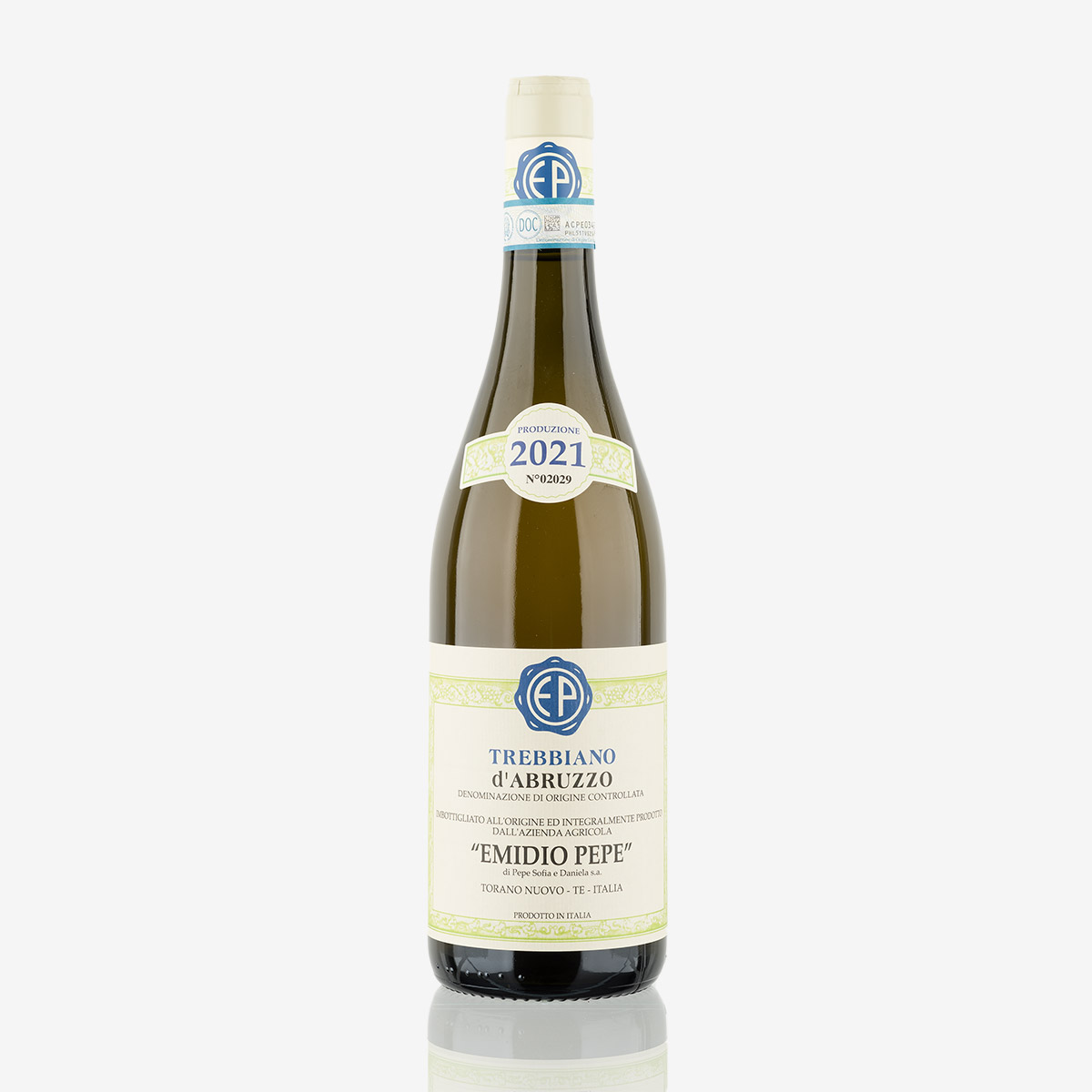
Trebbiano d'Abruzzo DocEmidio Pepe
55.60 €

A
Pieluni Montepulciano d'Abruzzo Colline Teramane Riserva DocgIlluminati
Out of stock

B
Neromoro Montepulciano d'Abruzzo Colline Teramane Riserva DocgNicodemi
Out of stock

A
Cerasuolo d'Abruzzo DocEmidio Pepe
Out of stock
A
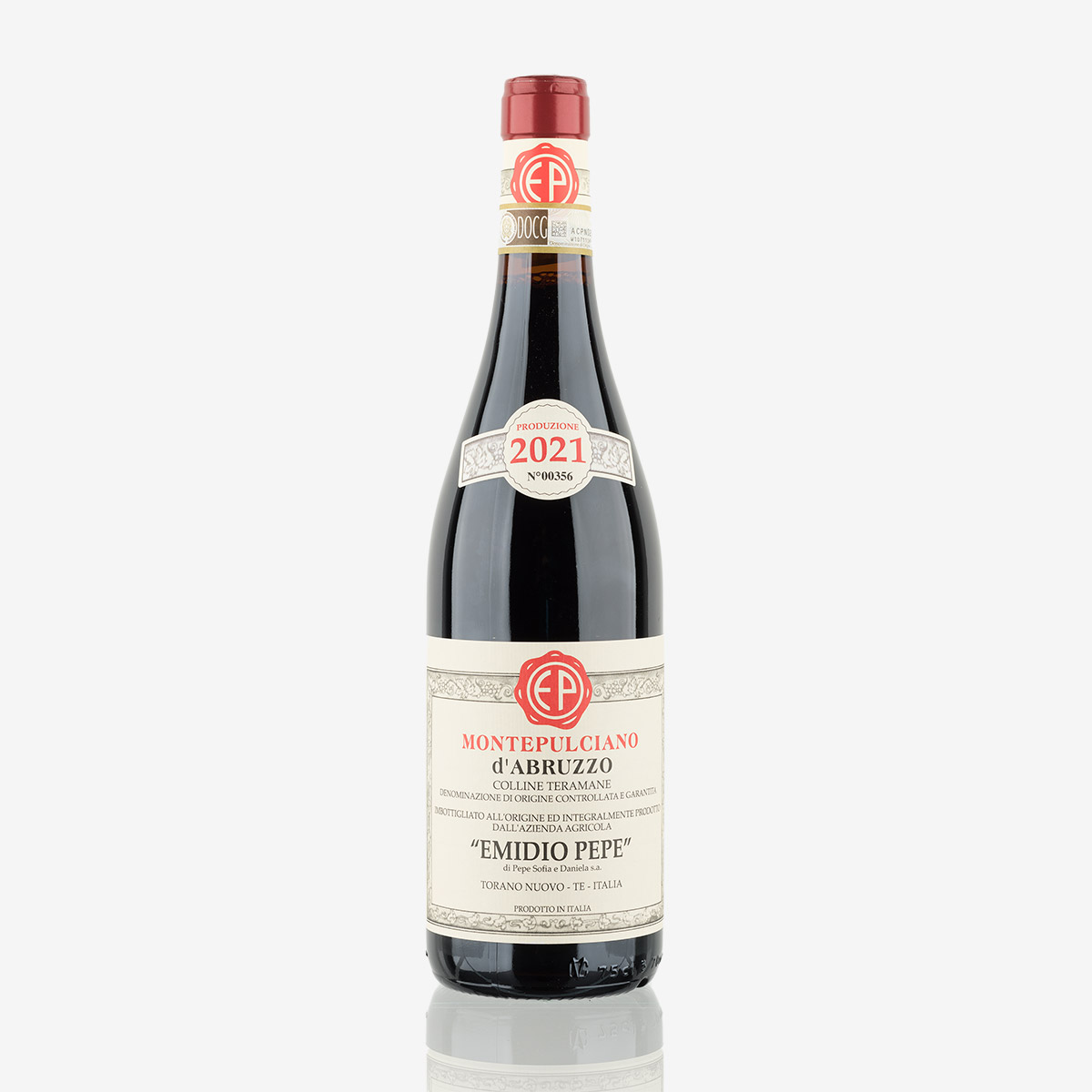
Montepulciano d'Abruzzo Colline Teramane DocgEmidio Pepe
Out of stock

A
Zanna Montepulciano d'Abruzzo Colline Teramane Riserva DocgIlluminati
Out of stock
7/7 Results


explore
- All wines
- Territories
- Grapes
- Denominations
- Producers
about us
- About
- Wine diversity
- Map guide
- Search guide
- Work with us
- Sustainability
support
- Help
- Shipping
- Payments
legal
- Privacy policy
- Cookie policy
- Terms of use
- Terms of sale
- Legal info
Follow us


You can pay with:


We ship with:


Certified sustainability:

Certified sustainability:
Copyright © 2026 Uglygrapes Srl Via Roma 107, 12030 Marene (CN), Italy - VAT 03936750045
Design: Cinzia BonginoDeveloped by: Bagubits


