







Abruzzo
The wine-growing region of Abruzzo stretches between the eastern slopes of the Apennines and the Adriatic Sea, in a varied landscape where vines are found mainly on the coastal and foothill hills, but also produce interesting wines in the inland and mountainous areas.
Explore more

Pecorino Colli Aprutini IgtEmidio Pepe
78 €

Vigna del Convento di Capestrano Montepulciano d'Abruzzo DocValle Reale
68.90 €

Cerasuolo d'Abruzzo DocTorre dei Beati
16.50 €

Giocheremo con i Fiori Pecorino Abruzzo DocTorre dei Beati
14.90 €

Cocciapazza Montepulciano d'Abruzzo DocTorre dei Beati
25.80 €

Mazzamurello Montepulciano d'Abruzzo DocTorre dei Beati
28.50 €

Pecorino Colline Pescaresi IgtTiberio
28.90 €

Vigneto di Sant'Eusanio Montepulciano d'Abruzzo DocValle Reale
from 33.50 €

Vigna del Convento di Capestrano Trebbiano d'Abruzzo DocValle Reale
52.90 €

Cerasuolo d'Abruzzo Superiore DocPraesidium
26.90 €
21.90 €

Montepulciano d'Abruzzo Riserva DocPraesidium
48.90 €
34.50 €
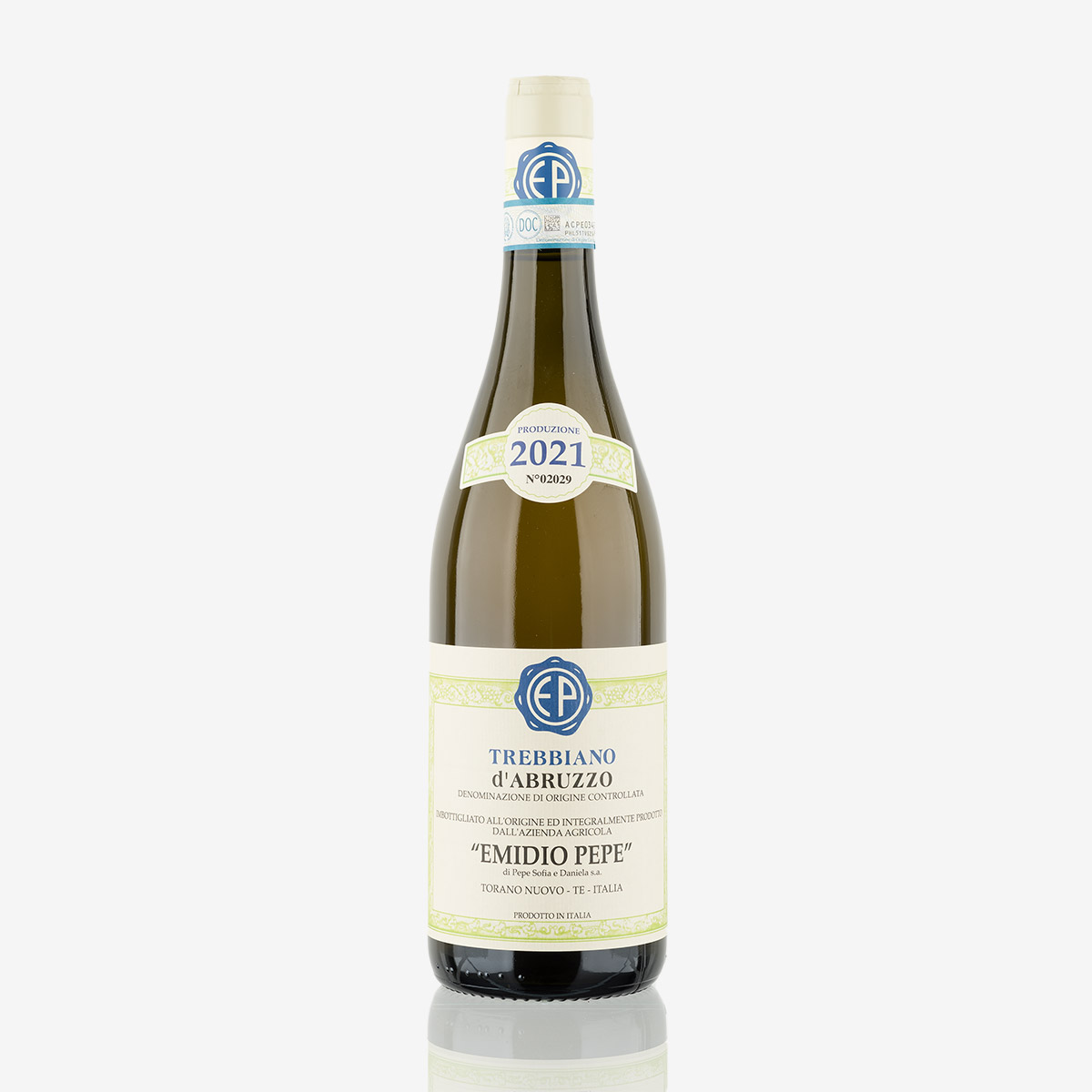
Trebbiano d'Abruzzo DocEmidio Pepe
55.60 €

Villa Gemma Montepulciano d'Abruzzo DocMasciarelli
Out of stock

Vigneto di Popoli Trebbiano d'Abruzzo DocValle Reale
Out of stock

Lama Bianca Vino BiancoFeudo d'Ugni
Out of stock
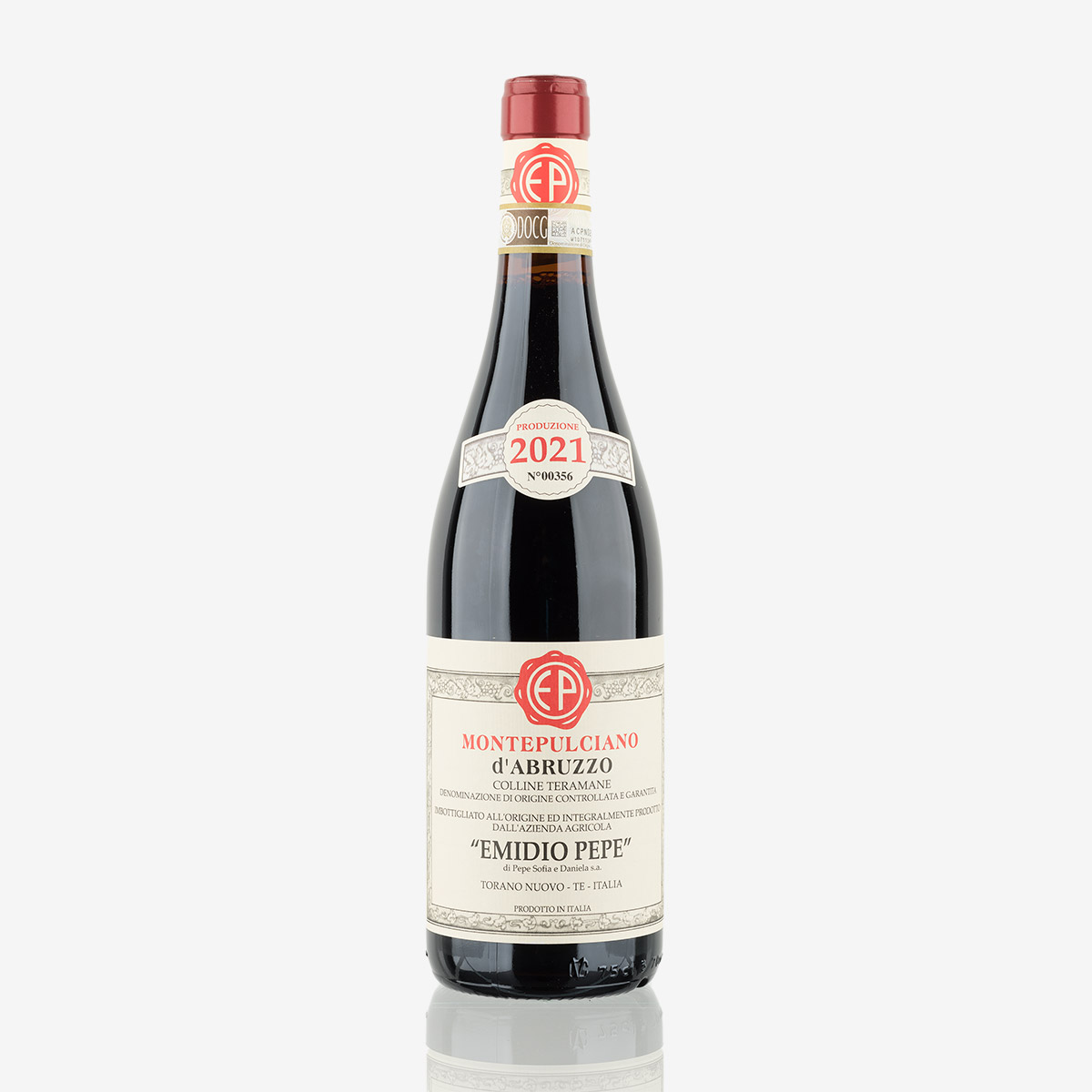
Montepulciano d'Abruzzo Colline Teramane DocgEmidio Pepe
Out of stock

Zanna Montepulciano d'Abruzzo Colline Teramane Riserva DocgIlluminati
Out of stock

Cerasuolo d'Abruzzo DocEmidio Pepe
Out of stock

Pieluni Montepulciano d'Abruzzo Colline Teramane Riserva DocgIlluminati
Out of stock

Neromoro Montepulciano d'Abruzzo Colline Teramane Riserva DocgNicodemi
Out of stock
20/20 Results


explore
- All wines
- Territories
- Grapes
- Denominations
- Producers
about us
- About
- Wine diversity
- Map guide
- Search guide
- Work with us
- Sustainability
support
- Help
- Shipping
- Payments
legal
- Privacy policy
- Cookie policy
- Terms of use
- Terms of sale
- Legal info
Follow us


You can pay with:


We ship with:


Certified sustainability:

Certified sustainability:
Copyright © 2026 Uglygrapes Srl Via Roma 107, 12030 Marene (CN), Italy - VAT 03936750045
Design: Cinzia BonginoDeveloped by: Bagubits


