







Sicily
Sicily is one of the most diverse wine-growing regions in the Mediterranean, an island where the variety of landscapes, microclimates and soils has created a wine heritage rich in regional character.
Explore more

Etna Rosso Doc Feudo di MezzoPietradolce
45.50 €

Etna Rosso Doc Feudo di MezzoGirolamo Russo
64 €

Contrada Santo Spirito Etna Rosso Doc Santo SpiritoPietradolce
43.50 €

Davanti Casa Etna Rosso Doc Feudo PignatoneEmiliano Falsini
58.90 €
51.90 €

Archineri Etna Bianco DocPietradolce
45.50 €

Etna Bianco Doc ArcuriaGraci
46.50 €

Etna Rosso Doc FeudoGirolamo Russo
54.50 €

Forfice Cerasuolo di Vittoria Classico DocgPaolo Calì
32.90 €
27.50 €

Faro DocPalari
52.20 €

A Puddara Etna Bianco DocTenuta di Fessina
Out of stock

Rosso del Conte Contea di Sclafani DocTasca d'Almerita
Out of stock

Siccagno Nero d'Avola Sicilia DocArianna Occhipinti
Out of stock

Vecchio Samperi Vino BiancoMarco De Bartoli
Out of stock

Guarnaccio Perricone Sicilia DocTasca d'Almerita
Out of stock

BB Frappato Terre Siciliane IgtArianna Occhipinti
Out of stock

FL Frappato Terre Siciliane IgtArianna Occhipinti
Out of stock

Contrada Rampante Etna Rosso Doc RampantePietradolce
Out of stock

Archineri Etna Rosso DocPietradolce
Out of stock

Il Musmeci Etna Rosso DocTenuta di Fessina
Out of stock

PT Frappato Terre Siciliane IgtArianna Occhipinti
Out of stock

Barbagalli Etna Rosso Doc RampantePietradolce
Out of stock

Etna Rosso Doc San LorenzoGirolamo Russo
Out of stock

Nerina Etna Bianco DocGirolamo Russo
Out of stock

Vigna Sant'Andrea Etna Bianco Doc CasellePietradolce
Out of stock

Shiarà Cataratto Sicilia DocCastellucci Miano
Out of stock

Etna Rosso Doc ArcuriaGraci
Out of stock

Saia Nero d'Avola Sicilia DocFeudo Maccari
Out of stock

INTEGER Grillo Sicilia DocMarco De Bartoli
Out of stock

Il Frappato Terre Siciliane IgtArianna Occhipinti
Out of stock
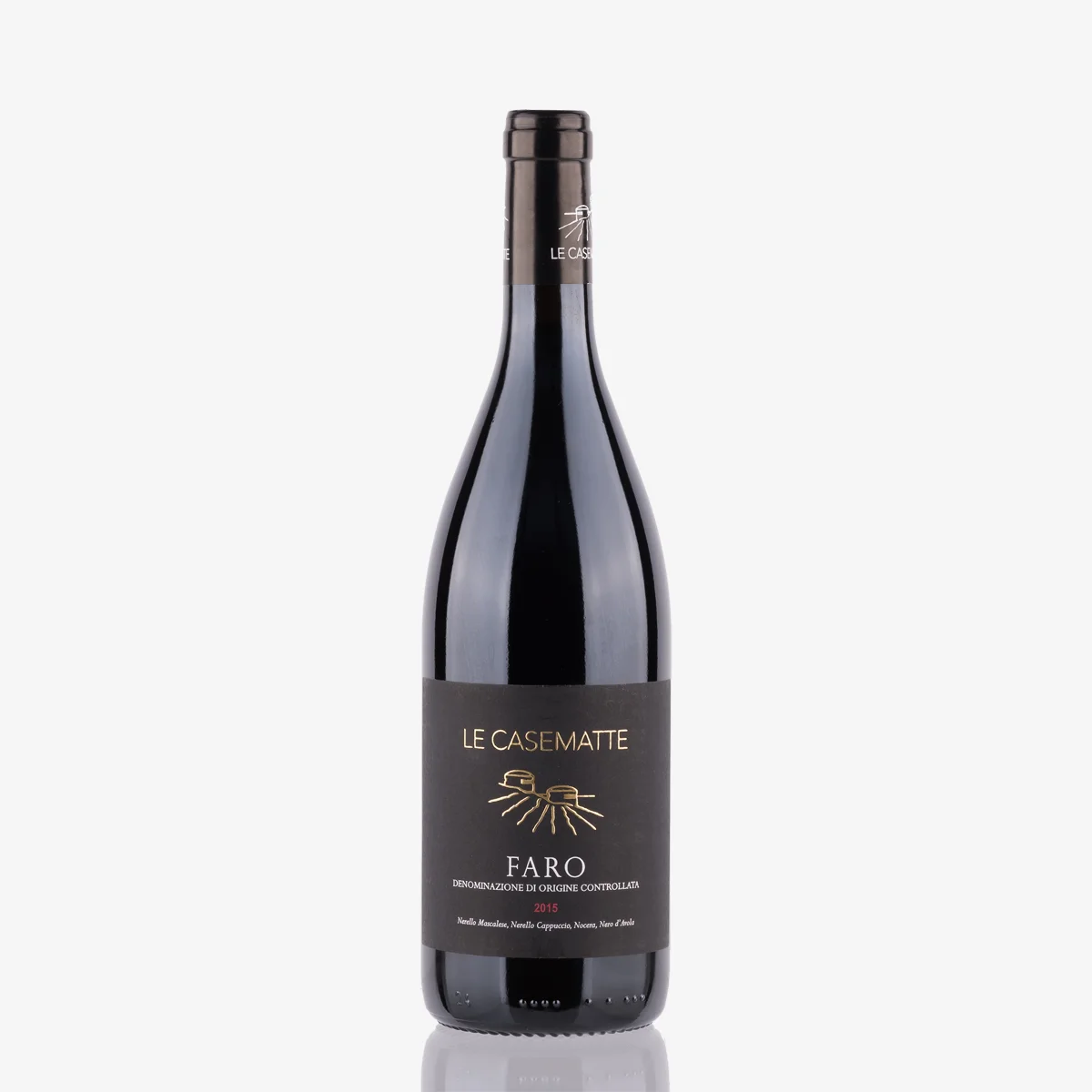
Faro DocLe Casematte
Out of stock
30/30 Results


explore
- All wines
- Territories
- Grapes
- Denominations
- Producers
about us
- About
- Wine diversity
- Map guide
- Search guide
- Work with us
- Sustainability
support
- Help
- Shipping
- Payments
legal
- Privacy policy
- Cookie policy
- Terms of use
- Terms of sale
- Legal info
Follow us


You can pay with:


We ship with:


Certified sustainability:

Certified sustainability:
Copyright © 2026 Uglygrapes Srl Via Roma 107, 12030 Marene (CN), Italy - VAT 03936750045
Design: Cinzia BonginoDeveloped by: Bagubits


